Landlords · 4 min read
Landlord EICRs in England: the 5-year rule in plain English
If you rent out a home in England, an EICR is not optional. Here is what the law says, who needs a copy and when, and what to do if the report fails.
 Harry RadfordNAPIT approved electrician, Halewood
Is an EICR a legal requirement?
Yes, for private landlords in England. The Electrical Safety Standards in the Private Rented Sector (England) Regulations 2020 say the electrical installation in a rented home must be inspected and tested by a qualified and competent person at least every 5 years, and you must keep the report. If the report gives an earlier date, you follow that. For people who own and live in their home, an EICR is not a legal requirement, but it is recommended every 10 years.
These rules are for England. Wales and Scotland have their own rules, and they are different.
Who needs a copy, and when
| Who | Deadline |
|---|---|
| Existing tenants | Within 28 days of the inspection |
| New tenants | Before they move in |
| Prospective tenants who ask for it | Within 28 days of their request |
| The local council, if it asks | Within 7 days of the request |
| The next electrician who inspects | A copy of the last report |
Keep a copy yourself until the next inspection is done. Sending the report by email is fine if the tenant has agreed to that.
If the report is unsatisfactory
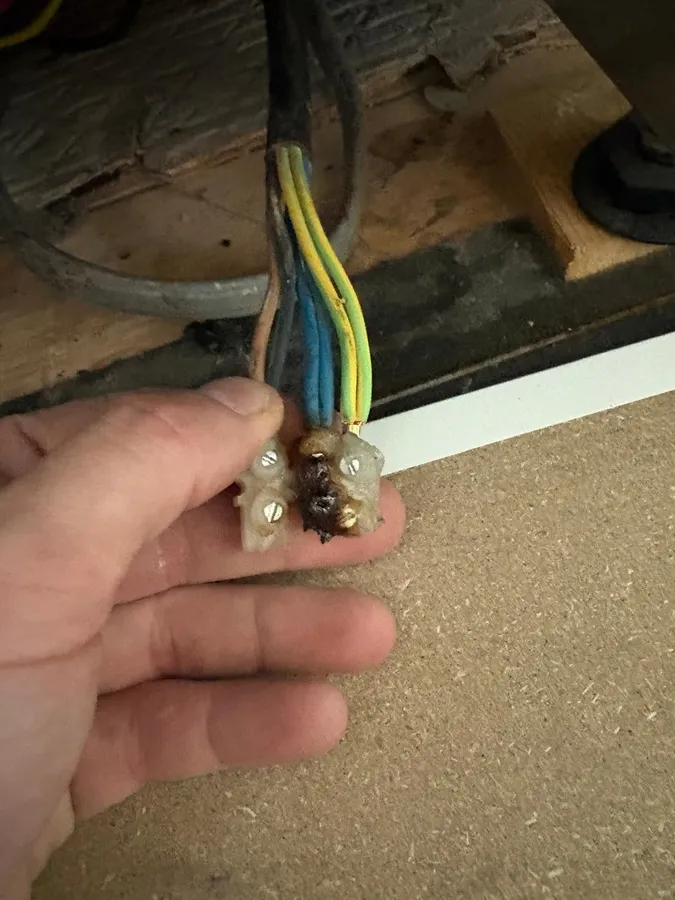
A landlord EICR is unsatisfactory if it has any C1 (danger present), C2 (potentially dangerous) or FI (further investigation) codes. If that happens:
- Get the remedial work or further investigation done within 28 days, or sooner if the report says so.
- Get written confirmation from a qualified person that the work is done and the installation now meets the standard.
- Send that confirmation, along with the original report, to your tenants and to the council within 28 days of the work being finished.
C3 items (improvement recommended) do not need fixing to meet the regulations. If further investigation turns up more work, that work has to be done too, and confirmed in writing.
Which lets the rules cover
The rules have applied to new tenancies since 1 July 2020 and to all existing tenancies since 1 April 2021. They cover most private lets where the tenant has the home as their only or main residence and pays rent. That includes assured shorthold tenancies and houses in multiple occupation (HMOs).
Some lets are not covered, including:
- Social housing.
- Lodgers who share the home with the landlord or the landlord's family.
- Long leases of 7 years or more.
- Student halls, hostels, refuges, care homes and hospitals.
If you are not sure whether your let is covered, treat it as covered. The cost of an inspection is small next to the risk of getting it wrong.
What happens if you do not comply
The council can serve a remedial notice and can arrange the work itself and recover the cost from you. Councils can also fine landlords who breach the regulations. It is far cheaper to keep the dates in a diary and book the inspection before the old one runs out.
Letting agents often handle this, but the legal duty sits with the landlord. If your agent books it, ask for the report and check the date and the result yourself.
What the inspection covers
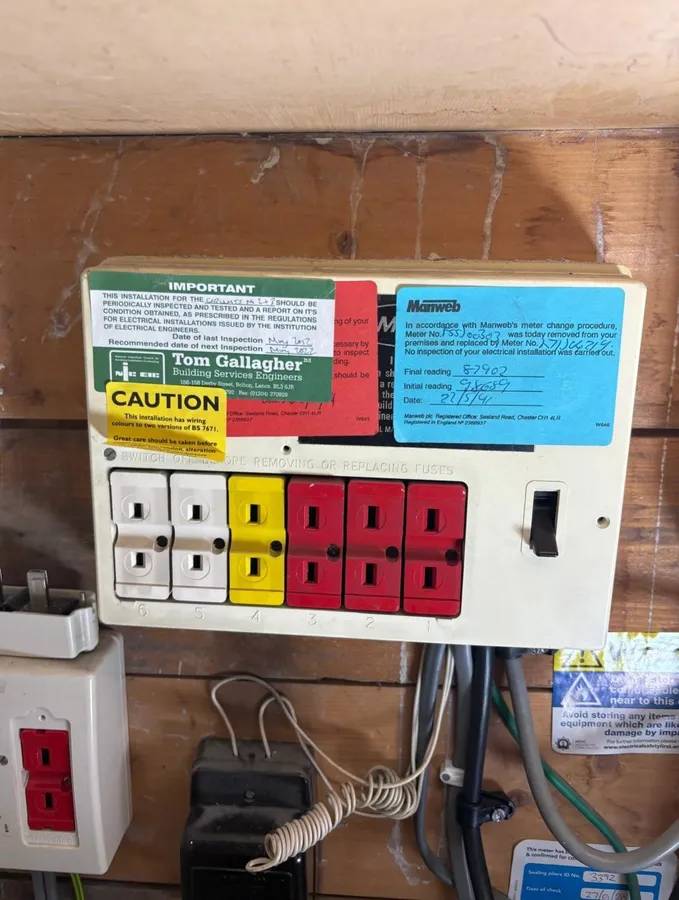
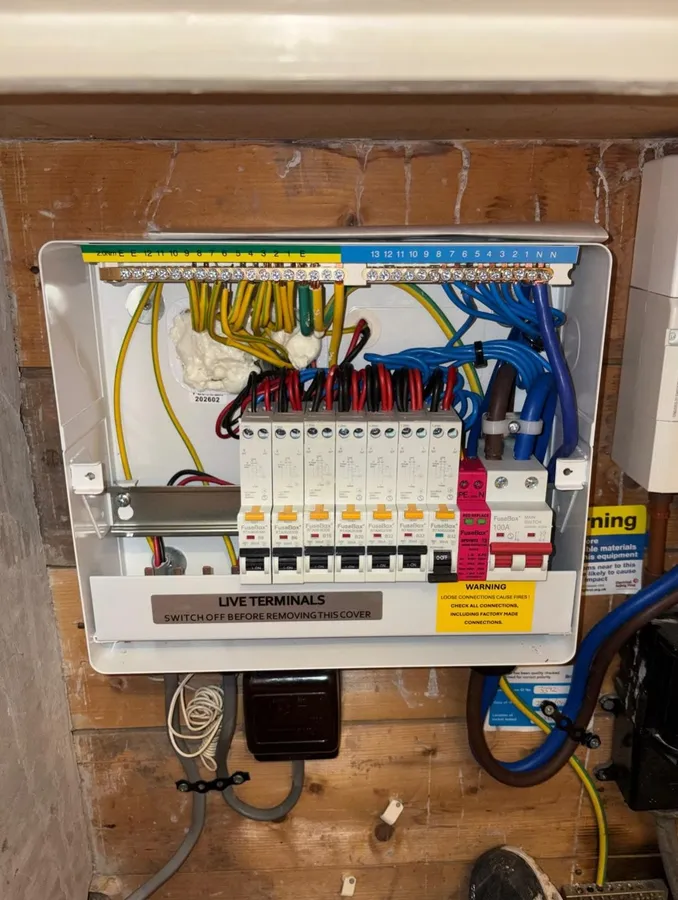
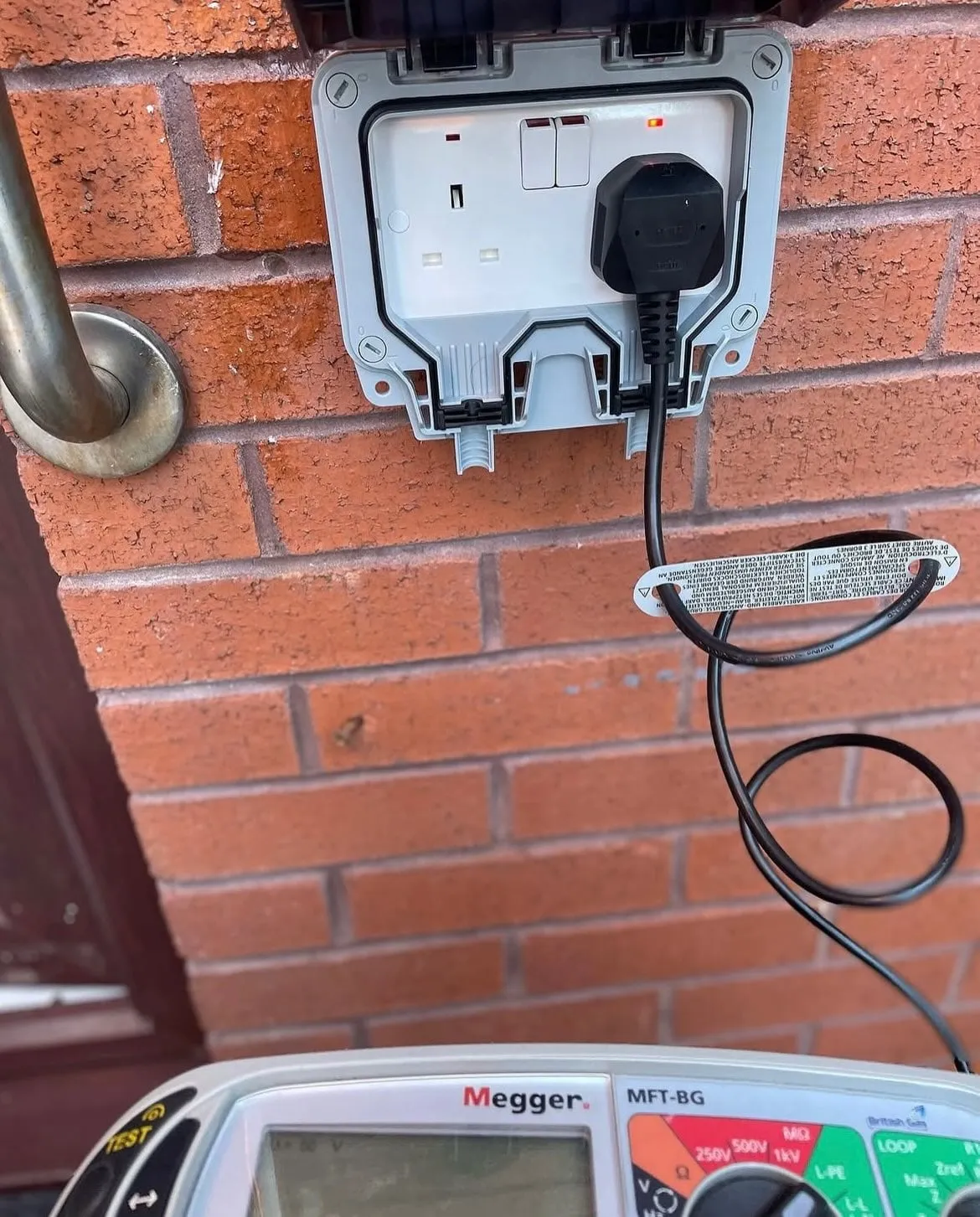
The EICR covers the fixed electrical installation: the consumer unit, the wiring, sockets, switches, light fittings and fixed appliances like an electric shower or immersion heater. It does not cover the tenant's own plug-in appliances. Portable appliance testing (PAT) is not required by these regulations, though it is good practice for appliances you supply.
The power is off for parts of the visit while circuits are tested, so let your tenants know and agree a time with them. Harry needs access to every room and to the board.
Landlord EICRs in Liverpool with Harry
Harry Radford is a NAPIT approved electrician based in Halewood, doing landlord EICRs across Liverpool, Huyton, Widnes, Runcorn, St Helens and the surrounding towns. You get the report in plain English, with a clear list of anything that needs doing and a separate price for it.
A landlord EICR with Harry is £150 for up to 3 bedrooms, £180 for 4 and £200 for 5 or more, plus £60 for each extra fuse board. Landlords with several properties can ask about a discount. Harry confirms the price before he starts. If remedial work is needed, he can do it within the 28-day window and give you the written confirmation you need to send on.
Harry RadfordNAPIT approved electrician based in Halewood, working across Liverpool and Merseyside.