Fuse boards · 4 min read
Fuse box or consumer unit: what you have and when to replace it
People use "fuse box", "fuse board" and "consumer unit" for the same thing. Here is what the difference really is, how to tell what you have, and when it is worth replacing.
 Harry RadfordNAPIT approved electrician, Halewood
Fuse box vs consumer unit
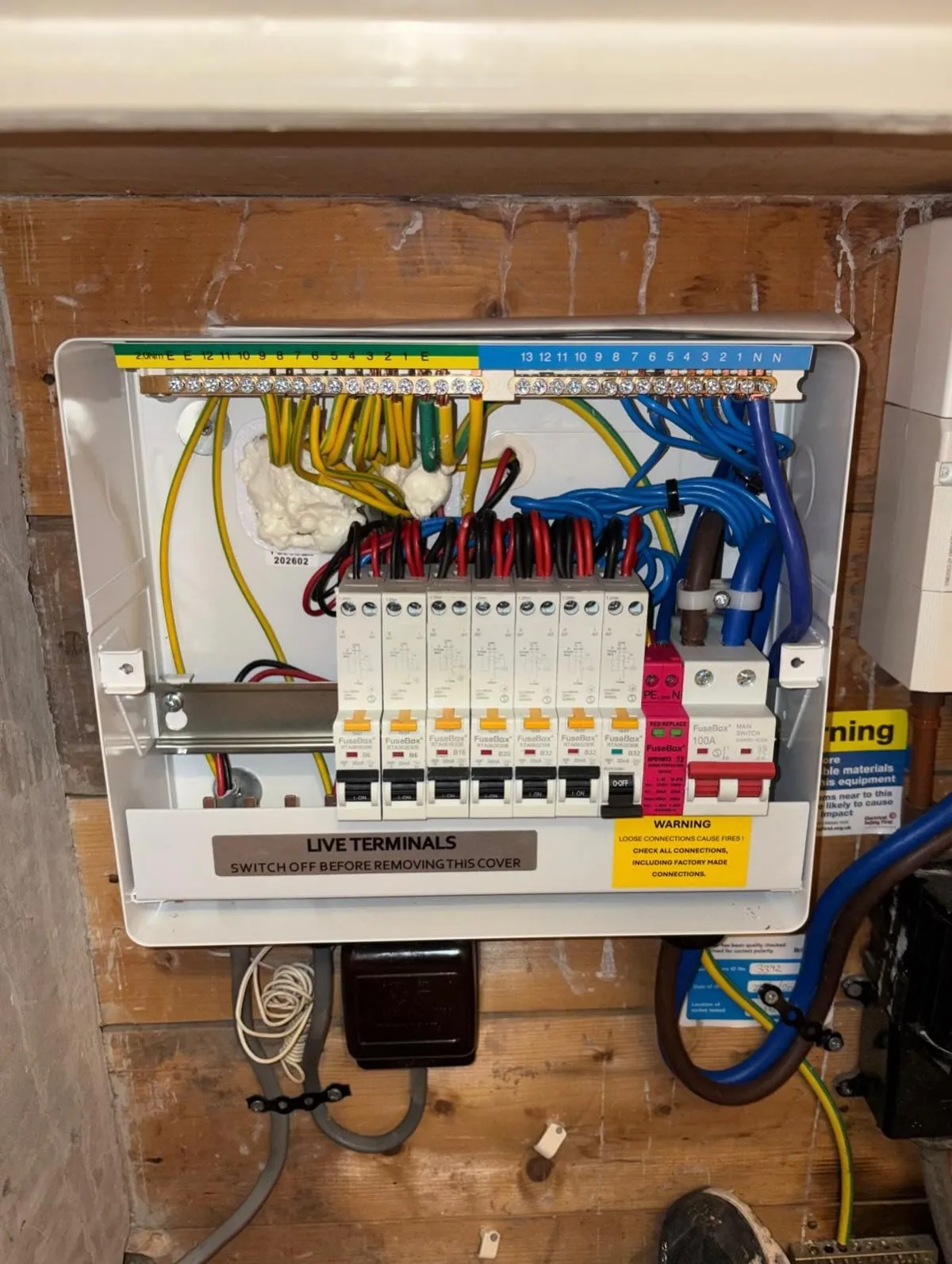
A fuse box and a consumer unit do the same basic job: they split your supply into circuits and cut the power to a circuit if something goes wrong. The difference is age and protection. An old fuse box uses fuses (often rewireable ones with fuse wire) that only protect the cables from overload. A modern consumer unit uses circuit breakers and RCD protection, which also protect people from electric shock. "Fuse board" is just another name for either. When people say they need a new fuse box, they almost always mean a new consumer unit.
What is a consumer unit?
A consumer unit is the box, usually near your electricity meter, that holds the main switch and a row of switches for each circuit in the house. A modern one has:
- A main switch to turn everything off.
- MCBs (miniature circuit breakers) that trip if a circuit is overloaded or shorted.
- RCDs that trip if electricity leaks to earth, for example through a person.
- Or RCBOs, which combine both in one switch for each circuit, so one fault only cuts one circuit.
- Surge protection (an SPD), which protects your wiring and electronics from voltage spikes.
How to tell what you have
| What you see | What it likely is |
|---|---|
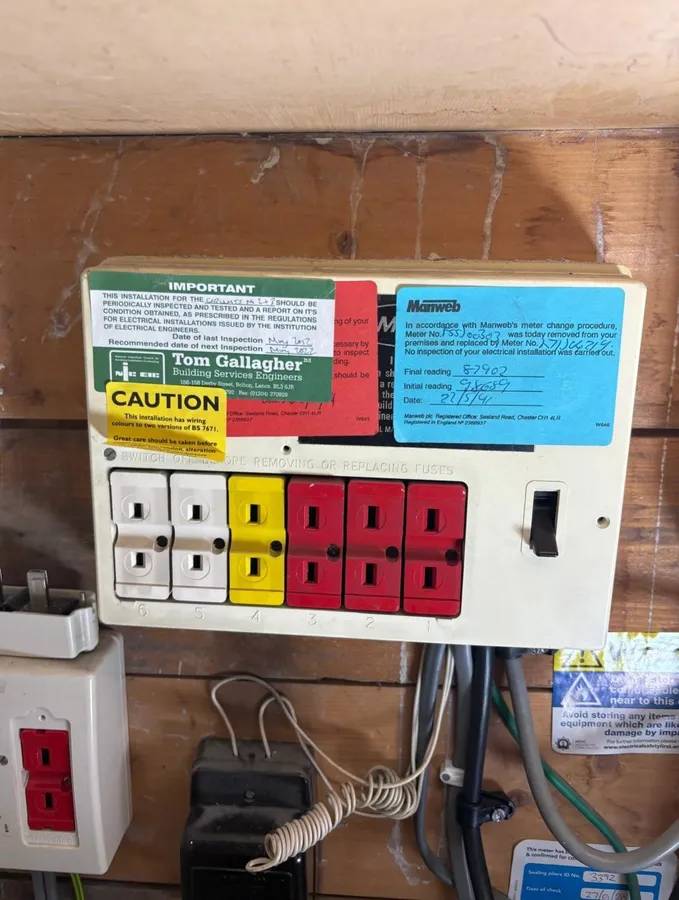
| Ceramic or plastic fuse carriers you pull out, sometimes with wire inside | Old fuse box. Worth replacing. |
| A row of switches but no button marked T or Test | Older board with breakers but no RCD. Get it checked. |
| Switches plus one or two wider switches with a Test button, plastic case | Consumer unit with RCDs, probably fitted before 2016. |
| Metal case, RCD or RCBO protection, often a surge device | Current style consumer unit. |
Do not take the front cover off to look. Everything you need to see is behind the clear flap.
The rules for a new consumer unit in England
- Metal enclosure. Since Amendment 3 of BS 7671 came into force in January 2016, consumer units in homes must be in a non-combustible enclosure. In practice that means a metal one.
- RCD protection. Socket circuits and most other circuits need RCD protection. Many electricians now fit RCBOs on every circuit.
- Surge protection. Since the 18th edition of the wiring regulations (2018), surge protection is generally required unless a risk assessment shows it is not needed.
- Part P. Replacing a consumer unit is notifiable building work. A registered electrician can self-certify it and notify building control for you, and you get an Electrical Installation Certificate.
A plastic consumer unit is not illegal and is not automatically unsafe. It may get a C3 (improvement recommended) on an EICR, but it does not have to be swapped just because the rules changed.
When to replace your fuse box
It is worth replacing your board if:
- It still has rewireable fuses or no RCD protection.
- An EICR has coded it C2 or C1.
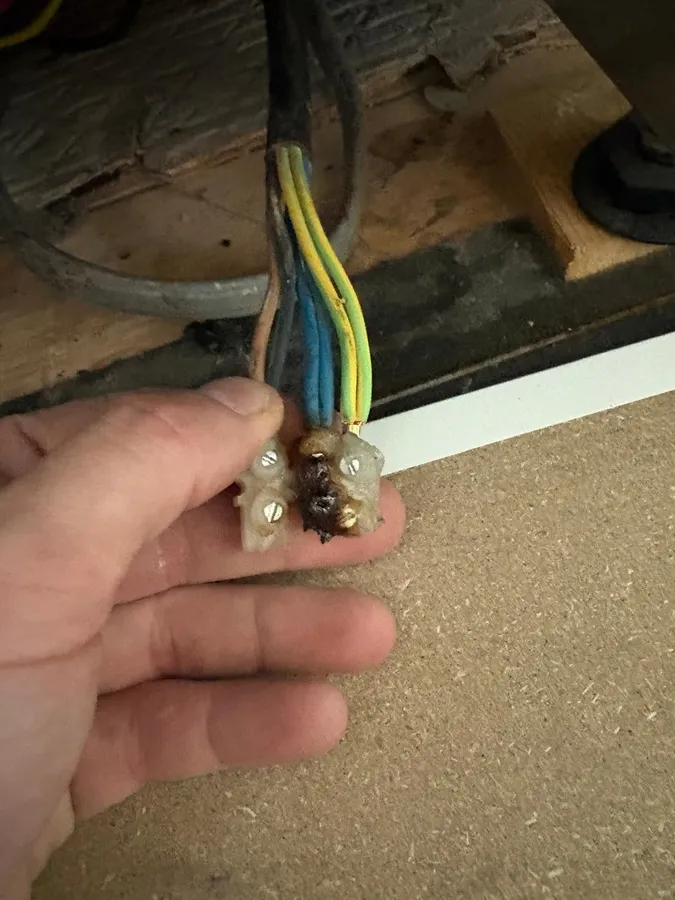
- It is scorched, cracked, warm or buzzing.
- It trips often and the cause is the board's layout, not an appliance.
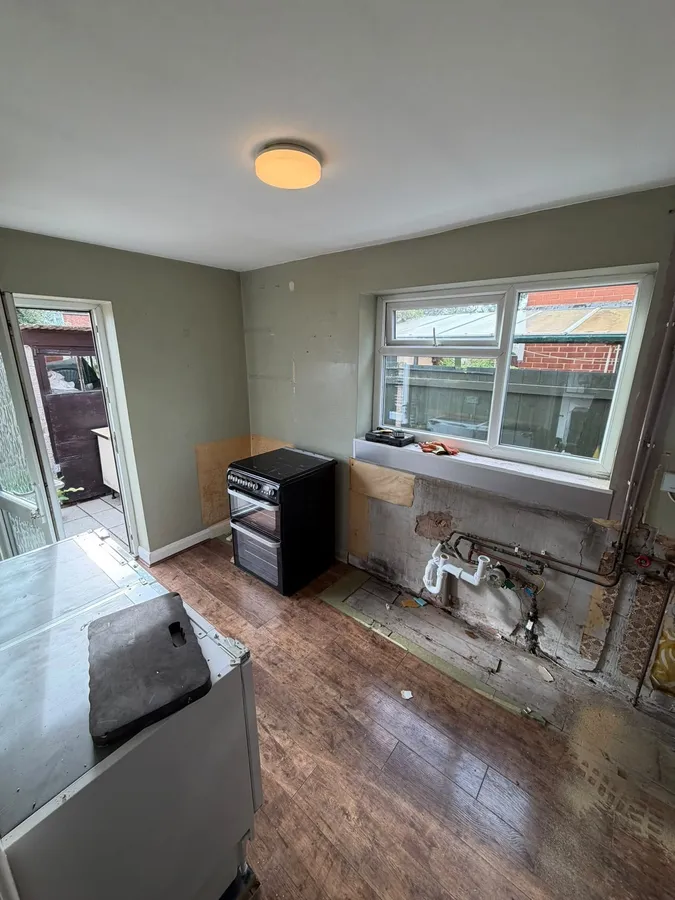
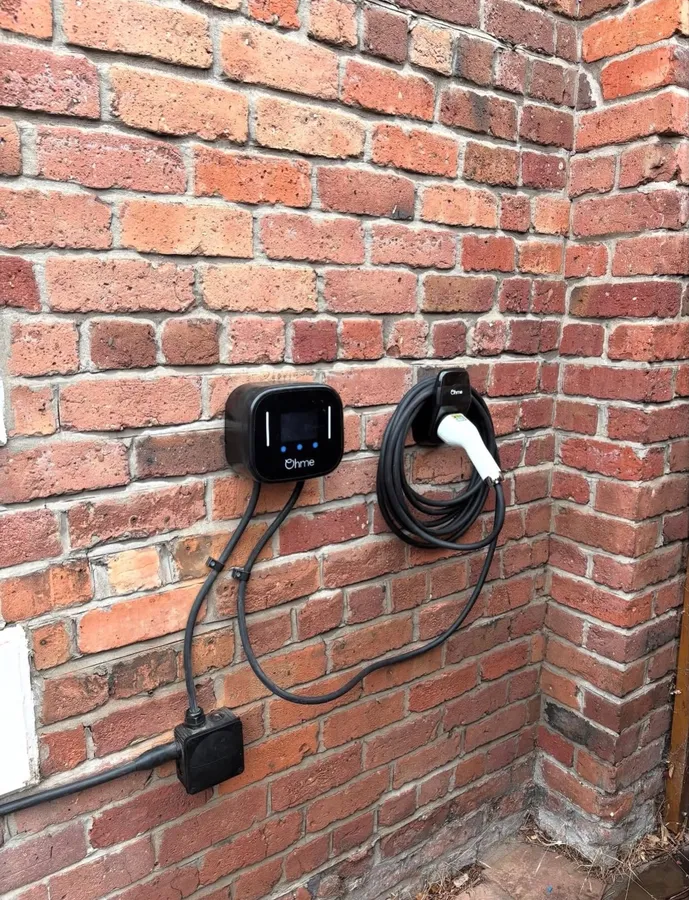
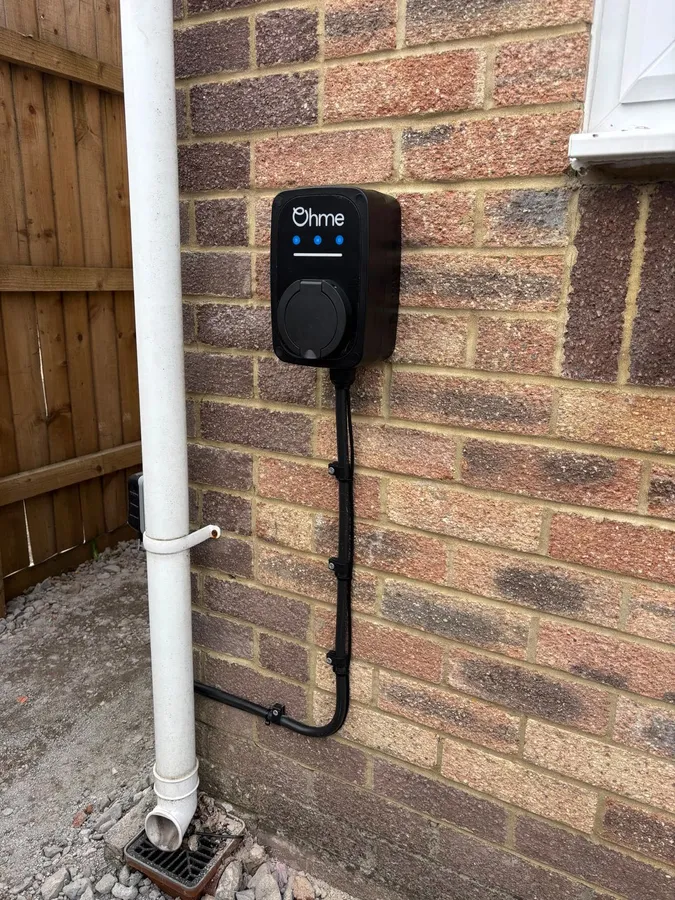
- You are adding an EV charger, an electric shower or a new kitchen and there is no space or capacity left.
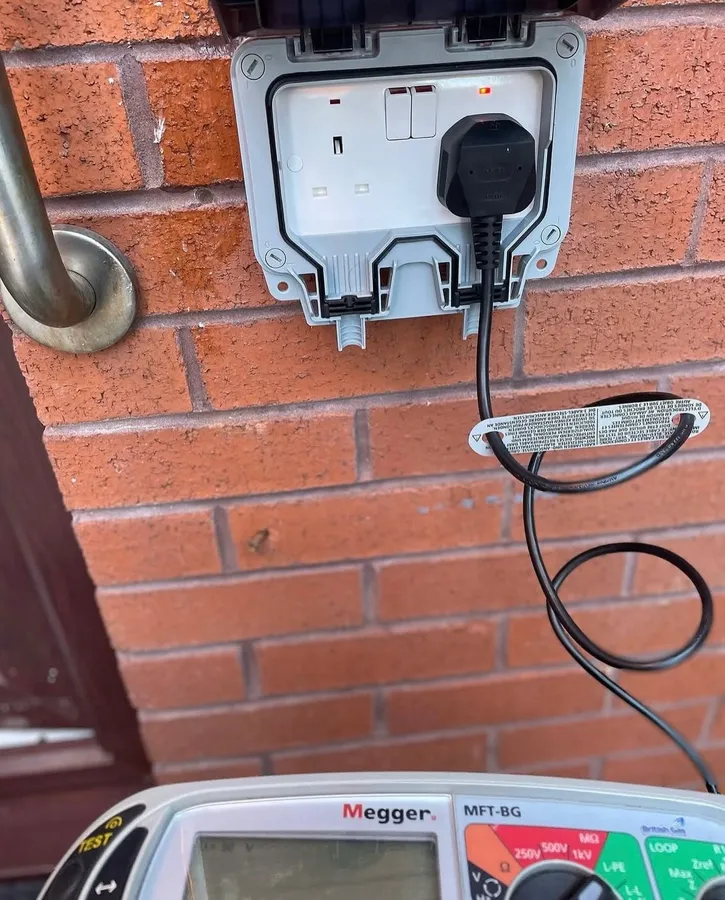
Before a new board goes in, the electrician tests the existing circuits. A new board can show up faults that the old fuses never caught, and those need fixing before it can be signed off. A straightforward swap is usually done in a day, with the power off for most of it.
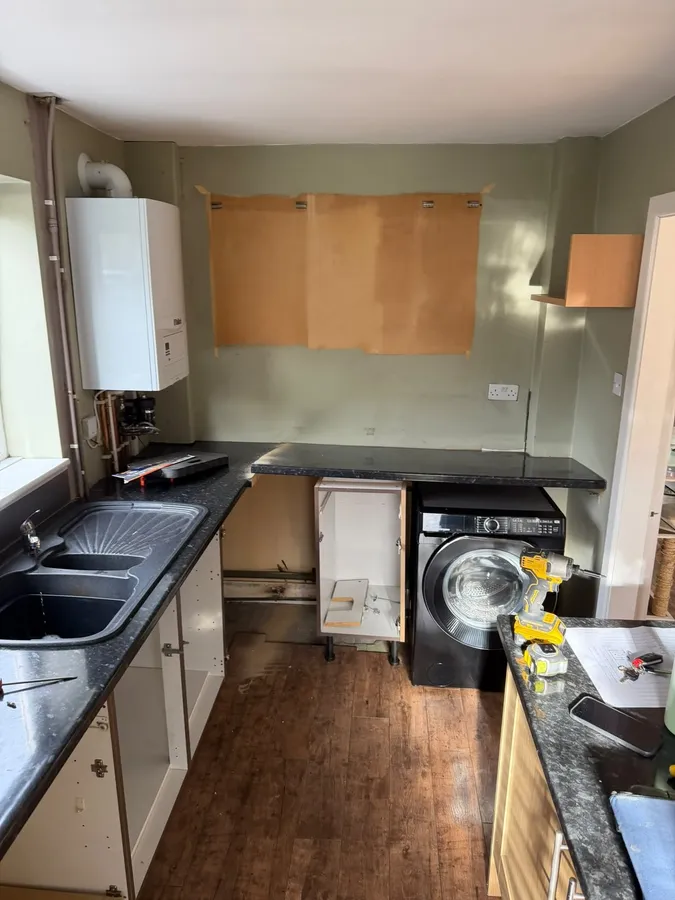
If you are planning other work, such as a kitchen, an extension or an EV charger, it often makes sense to do the board at the same time. That way the new circuits go straight onto the new board and you only lose power once.
Fuse board prices in Liverpool
A new fuse board fitted by Harry starts from £600 for a flat or 1 to 2 bed house, £650 for 3 bed and £800 for 4 bed or bigger. It depends on the number of circuits, whether you want RCBOs on every circuit, whether the board has to move, and what the testing finds. Harry fixes the price after he has seen your board.
Harry Radford is a NAPIT approved electrician based in Halewood. Send a photo of your board by WhatsApp to 07788 861536 and he can tell you what you have and what it is likely to need.
Harry RadfordNAPIT approved electrician based in Halewood, working across Liverpool and Merseyside.