EICRs · 4 min read
What C1, C2, C3 and FI mean on your EICR
Your electrical report has come back with codes on it. Here is what each one means, which ones fail the report, and what you need to do about them.
 Harry RadfordNAPIT approved electrician, Halewood
EICR codes in short
An EICR (Electrical Installation Condition Report) uses four codes. C1 means danger present: something could hurt someone now. C2 means potentially dangerous: it is not live danger today, but it could become dangerous. C3 means improvement recommended: it does not meet current standards but it is not unsafe. FI means further investigation needed: the electrician found something that needs a closer look before they can say if it is safe. If your report has any C1, C2 or FI, the report is unsatisfactory. If it only has C3s, or no codes at all, it is satisfactory.
| Code | What it means | Does it fail the report? |
|---|---|---|
| C1 | Danger present. Risk of injury right now. | Yes |
| C2 | Potentially dangerous. | Yes |
| FI | Further investigation needed without delay. | Yes |
| C3 | Improvement recommended. | No |
What a C1 looks like, and what happens
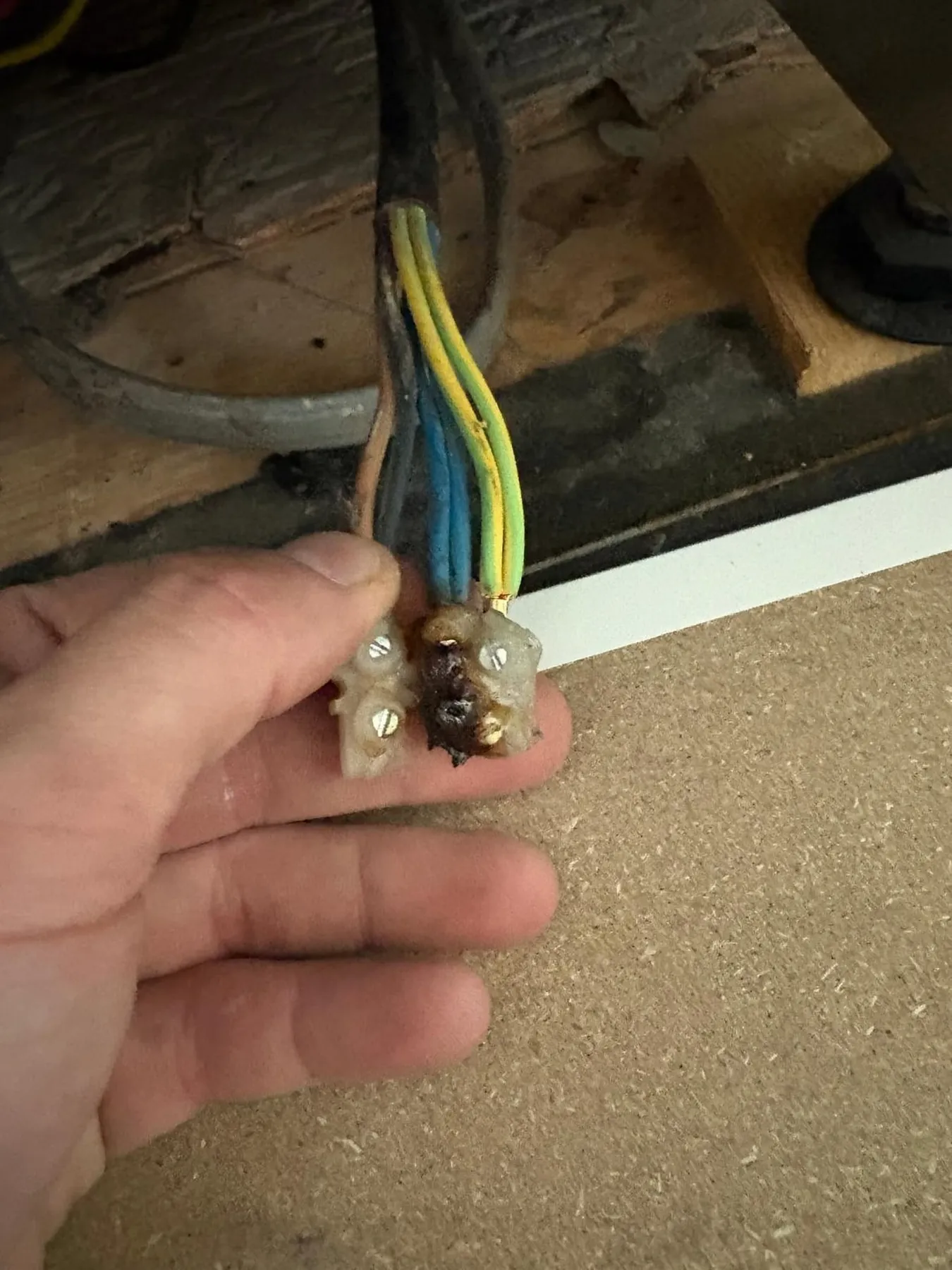
A C1 is the one to take most seriously. Typical examples are bare live conductors you can touch, a broken socket with exposed parts, or burnt and melted connections.
When an electrician finds a C1, they should make it safe there and then. That might mean fixing it on the spot, or isolating the circuit so it cannot be used until it is repaired. They will tell you, and it goes on the report. You should not carry on using anything that has been switched off for a C1 reason.
Common C2 and FI codes
C2 is the most common reason a report comes back unsatisfactory. Things that often get a C2:
- No earthing, or poor earthing, to a circuit or to the main supply.
- Missing main bonding to the gas or water pipes.
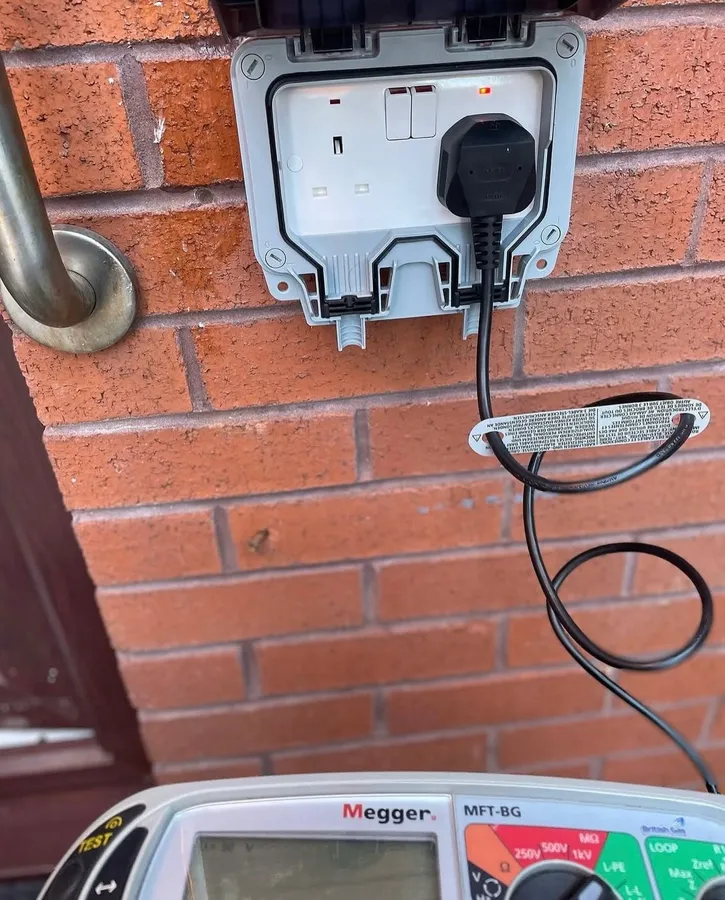
- Sockets that could be used for equipment outdoors with no RCD protection.
- Signs of overheating, such as scorch marks at a socket or the board.
- Damaged cables or fittings where live parts could be reached.
An FI usually means a test result did not look right and the cause was not clear in the time available. For example, a low insulation reading on one circuit, or a circuit nobody can trace. The fix is to go back and find the cause. Until that is done, the report stays unsatisfactory.
Are C3 codes a problem?
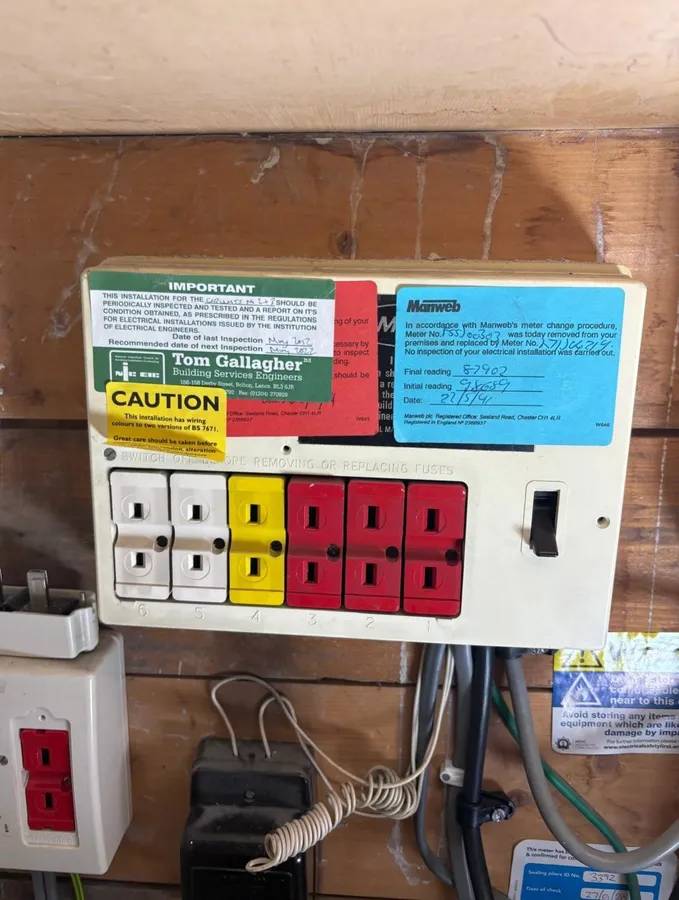
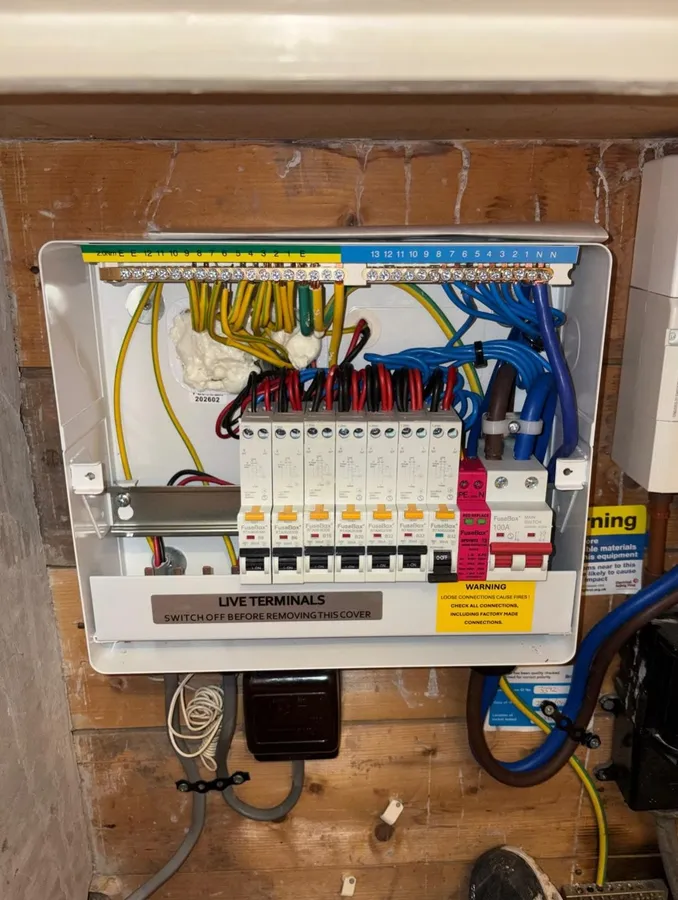
No, not on their own. A C3 is advice. Your installation was probably fine under the rules when it was put in, and the rules have moved on since. Common C3s are a plastic consumer unit, older style switches with no earth, or a board with no surge protection.
You do not have to fix C3 items for the report to pass. It is still worth reading them, because they tell you what to plan for next time you do work on the house. If you are a landlord, C3s do not need fixing to meet the regulations, but many landlords do them anyway.
EICR unsatisfactory: what happens next
If you are a homeowner, there is no legal deadline, but you should get the C1, C2 and FI items sorted as soon as you can. They are on the report because they are a risk.
If you are a landlord in England, the rules are stricter. Under the Electrical Safety Standards in the Private Rented Sector (England) Regulations 2020 you must get the remedial work or further investigation done within 28 days, or sooner if the report says so. You then need written confirmation from the electrician that the work is done, and you send that to your tenants and to the council within 28 days of the work being finished.
- Read the observations list, not just the result on the front page.
- Ask for a written quote for each C1, C2 and FI item.
- Get the work done and ask for the paperwork that shows it.
- Keep the report and the paperwork together.
Getting an EICR done with Harry
Harry Radford is a NAPIT approved electrician based in Halewood, covering Liverpool and the towns around it. He does EICRs for homeowners, buyers and landlords. When he codes something, he explains what it is, why it got that code and what it would take to put right, in plain words.
An EICR with Harry is £150 for a home of up to 3 bedrooms, £180 for 4 bedrooms and £200 for 5 or more, plus £60 for each extra fuse board. Harry confirms the price before he starts. If anything comes up as C1, C2 or FI, he will give you a separate price to fix it, and you decide whether to go ahead.
Harry RadfordNAPIT approved electrician based in Halewood, working across Liverpool and Merseyside.